



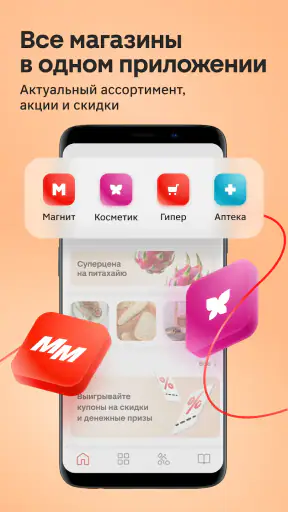
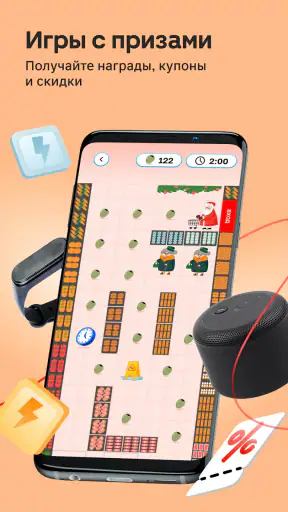

I tested Магнит: акции и доставка as the kind of app that often ends up on a shared household phone. It is not just a digital loyalty card: it brings together Магнит’s shopping account, promotions, bonuses, discount coupons, and delivery tools in one Food & Drink app. That combination can be genuinely convenient when several people in a home buy groceries, but it also creates a few account-boundary questions that are easy to overlook.
My overall impression is practical rather than exciting. I would recommend it to someone who regularly shops at Магнит and wants to check offers before leaving home, keep the loyalty card available, and arrange delivery when a store visit is inconvenient. I would be less enthusiastic for somebody who only visits occasionally, dislikes managing another account, or expects every promotion to be simple and automatically applied.
How it works when a household shares the shopping routine
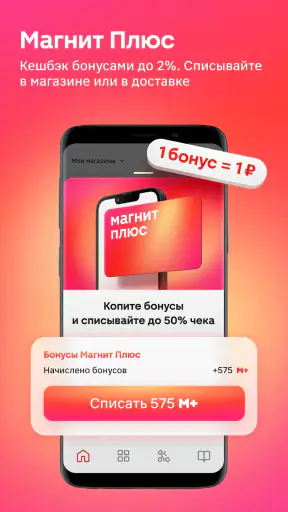
The most useful way to think about this app is as a shopping companion for a routine, not as a standalone delivery service. One person can browse current offers, another can use the loyalty card at checkout, and the household can decide whether a planned purchase is better handled in a nearby shop or through delivery. In that situation, having the same service available on a phone is more useful than carrying a separate plastic card or trying to remember which coupons are active.
A realistic example is a weekday evening when one person is already at home and notices that several everyday items are running low. Instead of sending a long message with product names and hoping the shopper remembers the loyalty card, the household can use the app to review promotions and coordinate the order or store visit. The person who actually pays still needs to pay attention to the account being used, but the app can reduce the back-and-forth around what to buy and whether a discount is available.
That shared-use benefit has a limit: the app is not a household inventory system. I would not treat it as a reliable place to track everything in the kitchen, assign chores, or maintain a joint budget. Its strengths are closer to the point of purchase: promotions, bonuses, coupons, the loyalty identity, and delivery. If your family needs detailed planning, a separate notes or shopping-list tool will still be more appropriate.
The app comes from АО Тандер, the developer behind the Магнит shopping experience. It is free, aimed at Everyone, and belongs to the Food & Drink category. That makes it easy to try without turning the decision into a subscription commitment, although free access does not remove the need to manage your account carefully.
One account or several phones?
This is where I would set expectations before installing it on a shared device. A loyalty card is personal in practice because purchases, bonuses, coupons, and account activity can be connected to the account in use. If two adults casually sign in and out on one phone, the convenience of sharing can quickly become confusion: one person may scan the wrong card, overlook a coupon belonging to another account, or assume a bonus balance is shared when it is not.
For a couple or household that intentionally uses one account for regular shopping, the arrangement can be straightforward. Agree in advance who owns the account, who is allowed to use it, and which phone will normally keep the active session. If each adult has a separate account, I would avoid treating the app as a communal wallet. Use the appropriate account at checkout and confirm the displayed loyalty identity before paying.
This is also a reason not to hand a logged-in phone to a child without supervision. The app combines shopping actions with account-related benefits, so the issue is not simply whether a young person can find a product. The more important question is whether they understand which account is open and what an order or coupon action may affect.
Setting it up without losing track of the account
My preferred setup is deliberately boring. Install the app, sign in with the account that should receive the loyalty activity, and spend a few minutes looking through the account area before the first serious shopping trip. I would check that the correct profile is active, review the available promotions and coupons, and make sure the household knows which phone is intended for in-store scanning.
That small check prevents a common mistake: assuming that installing the app automatically means every discount will apply. Promotions and coupons may require attention inside the app, and a shopper who only opens the digital card at the checkout may miss an offer that needed to be selected or reviewed beforehand. I found it more sensible to browse before leaving home rather than standing in a queue trying to understand the current deal.
There is another practical boundary around delivery. The person placing an order should be the one who can monitor the selected address, the contents of the basket, and the final checkout steps. On a shared phone, a child or guest might be able to browse, but that does not mean they should be responsible for confirming an order. Keeping browsing and purchasing responsibilities separate is a simple way to preserve control without making the app harder to use.
The current version is 8.118.0, and the app requires Android 8.0 or later. That is helpful for people using an older but still supported Android phone, although the experience can naturally feel less comfortable on a small or slow device. I would also keep the app updated when possible, especially for a service that handles account access, digital coupons, and delivery details.
Coordinating promotions, bonuses, and delivery
The strongest household workflow is to use the app in stages. First, check the promotions before planning the basket. Second, decide whether the discount is relevant to something the household already needs. Third, choose between visiting a store and using delivery. This order matters because a promotion should influence a real shopping decision, not encourage buying something unnecessary simply because it appears prominently.
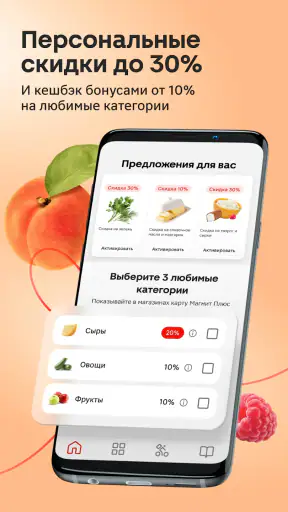
Bonuses and coupons are useful, but I would not assume they behave like a universal discount balance. Treat each offer as something to inspect before relying on it. Look at the wording, the qualifying product, and the account currently active. Even when the app makes the offer easy to find, the final value depends on buying the right item through the right account and following any stated conditions.
One non-obvious advantage is that the app can act as a pre-check before a store visit. Instead of scanning shelves first and thinking about savings afterward, I can review the available deals at home and make a short plan. That is particularly useful for a shared household because it gives everyone a common starting point: one person can say which offers matter, while the shopper can decide whether the physical store has the better balance of speed and choice.
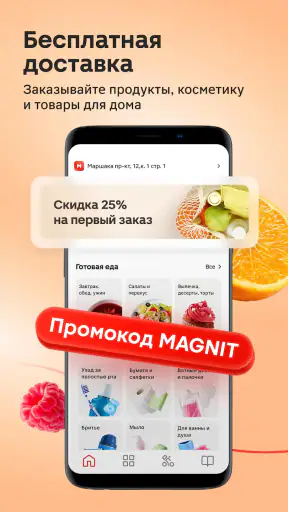
Delivery is more convenient when nobody has time for a store trip, but it changes the trade-off. A physical visit gives you direct control over substitutions, freshness choices, and what is actually on the shelf. Delivery saves travel and can be easier for a heavy or time-sensitive grocery run, yet it asks you to be more careful when reviewing the basket and address before confirming. I would use the app’s delivery side for convenience, not as a reason to stop checking the order details.
For a household, coordination works best when one person is the basket owner. Others can suggest products or promotions, but a single person should make the final review. That avoids duplicate orders and reduces the chance that two people assume the other has already completed the purchase. The app supports the shopping process; it does not replace a clear family agreement about who is doing what.
What younger users should and should not handle
The Everyone age rating makes the app broadly accessible, but I would separate accessibility from responsibility. A teenager may be perfectly capable of browsing promotions or showing a digital loyalty card at checkout. That does not automatically make them the right person to manage delivery addresses, account access, bonuses, or final orders.
For a younger household member, I would create a narrow role: help compare offers, prepare a shopping list, or use the card only when an adult has confirmed the active account. I would keep payment decisions and delivery confirmation with the adult who owns the account. This is not because the app is complicated; it is because a shared shopping account can carry consequences that are not obvious from a product page.
Trust also matters between adults. If a partner, roommate, or relative uses the same device, agree on whether the app is being used as one shared loyalty identity or as separate personal accounts. Do not rely on memory after several shopping trips. A quick glance at the active profile before scanning is much safer than trying to correct a misplaced bonus or missed coupon later.
I also would not use a shared public or borrowed phone for a logged-in session longer than necessary. The app is most comfortable when the device belongs to someone in the household and the account boundary is clear. If the phone changes hands often, signing out when finished may be less convenient, but it gives the owner a cleaner separation between browsing and account activity.
Where it beats the usual alternatives
The usual alternative is a physical loyalty card plus a separate delivery website or service. That approach can work, but it splits the shopping routine across different places. Магнит: акции и доставка puts the loyalty card, promotions, bonuses, discount coupons, and delivery options together, which is especially useful when the household wants to make a decision before shopping rather than after it.
Another alternative is using a general grocery-list app and ignoring loyalty features until checkout. That is better for detailed planning, recurring lists, and shared notes, but it leaves savings and account benefits outside the planning process. I would use the general list tool for household organization and this app for Магнит-specific shopping actions. They solve different problems, and trying to make one replace the other is where frustration begins.
Compared with simply visiting the store, the app adds preparation. You can look at offers before leaving and keep the loyalty card on the phone. Compared with delivery-only tools, it is more relevant to someone who alternates between store visits and delivered orders. The trade-off is that its usefulness depends heavily on whether Магнит is already part of your regular routine. If you rarely shop there, the extra app may not earn a permanent place on your phone.
The average rating is 3.3 from around 1.5 million ratings, while the app has passed 50 million installs. I read those figures as a sign of broad everyday use rather than a guarantee of a perfect experience. A large audience does not remove the practical friction around account selection, promotion conditions, or delivery review. I would judge it by whether it fits your shopping habits, not by popularity alone.
Limitations I noticed in everyday use
The app can make promotions feel more central than the actual shopping task. If I open it without a plan, it is easy to spend time comparing offers that do not match what I need. My workaround is to decide on the household’s essentials first, then use the app to check whether any relevant deal improves the purchase.
Account confusion is the bigger weakness for shared use. A digital loyalty card feels simple when one person owns the phone and account. It becomes less simple when several people scan, order, or check bonuses from different devices. The app is not at fault for every misunderstanding, but its convenience can encourage households to share access casually. Clear boundaries are necessary.
Delivery also requires a more careful final review than an ordinary store visit. I would check the basket, the delivery details, and the account before confirming. If you need to choose every item personally or are particular about substitutions, a physical shop may still be the better option. The app helps with access and convenience; it cannot give you the same control as standing in front of the shelf.
I would skip this app if I do not shop at Магнит often, if I already have a reliable routine that never uses promotions or delivery, or if I want a full household-management system. I would also avoid making it the only place where important shopping information lives. A simple shared note remains useful for quantities, preferences, and reminders that are outside the app’s main purpose.
Who should install it
I think it is a good fit for regular Магнит customers who want one place for a loyalty card and shopping-related benefits. It is particularly practical for households that switch between in-store purchases and delivery, because the same app can support both parts of that routine. The free price removes the main financial barrier to trying it, so the real question is whether the account and promotion workflow saves enough time for you.
It is also a reasonable choice for an adult managing groceries for several people. The best results come when that person remains the account owner and treats other household members as helpers rather than unrestricted users. That arrangement keeps the loyalty identity, bonuses, coupons, and delivery responsibility in one place while still allowing others to participate in planning.
I would recommend a different approach for a large shared household where everyone insists on separate accounts and nobody wants to check which profile is active. In that case, the app may create more coordination work than it removes. A shared shopping list combined with each person’s own loyalty account could be clearer, even if it means using more than one tool.
АО Тандер has made a broad, practical shopping app rather than a narrowly focused coupon viewer. Its value comes from the combination of everyday functions, but that combination also means users should slow down at account and checkout boundaries. I found it most useful when I treated it as a planned part of the grocery routine, not as an automatic savings button.
My household verdict
After using it with shared-device habits in mind, I would keep Магнит: акции и доставка on the phone of the household member who normally handles grocery decisions. I would let others contribute to the list and review promotions, but I would keep the active account and final delivery confirmation under one person’s control. That simple arrangement captures the convenience without turning the loyalty account into a communal mystery.
For regular Магнит shoppers, the app is worth trying because the loyalty card, promotions, bonuses, coupons, and delivery tools are gathered in one place. For occasional shoppers, the benefits are less compelling, and a physical card or a simpler routine may be enough. My recommendation is positive, with one condition: check the active account and the order details before every important purchase.
The app is free, suitable for Everyone, and available for Android devices running version 8.0 or later. It has been available since June 23, 2014, and its current version is 8.118.0. Those details make it accessible to a wide range of Android users, but the lasting decision is personal: if Магнит is part of your weekly shopping and your household can agree on account boundaries, this is a useful everyday tool; if not, the added coordination may outweigh the convenience.


